
In many countries Easter means chocolate. Bags of pastel-coloured mini eggs, tin-foil-wrapped chocolate bunnies and the classic hollow egg, ready to be smashed to pieces.
These cocoa-based confections are available in Italy, but chocolate simply isn’t the go-to Easter treat it is in other parts of the world.
Not when these traditional, and often regional, dolci start to appear on the shelves of pasticcerie around the country.
Colomba
View this post on Instagram
Supposedly shaped like a dove – though, in reality, with a more blob-like form – colomba is an enriched sweet bread very similar to panettone.
In the 1930s, the Christmastime treat was already being produced industrially but was, of course, only sold for a short period of the year. In order to boost sales, the Milanese baking company Motta came up with a new product that used the same equipment and almost the same dough as panettone.
Traditionally, colomba was made with candied fruit and topped with whole almonds and icing whereas panettone had both dried and candied fruit but no icing.
These days the two desserts are almost interchangeable and both come in a variety of flavours, such as pear and chocolate, cherry and pistachio.
Pardulas
View this post on Instagram
Pardulas are star-shaped tartlets filled with saffron-spiked ricotta. Hailing from Sardinia, they’re customarily made with sheep’s milk ricotta – there are more sheep on the island than there are people – but versions sold elsewhere in Italy may use more readily available cow’s milk ricotta.
Other variations include citrus flavourings and the addition of raisins to the filling.
They’re now available all year round, but pardulas are still the quintessential Easter treat for Sardinians and are often served drizzled with honey.
Pizza Dolce di Pasqua
View this post on Instagram
Yes, it’s pizza – but not as you know it. Think light and fluffy cake rather than a flat margherita-style pie.
Eaten in central Italy, pizza dolce di pasqua ('sweet Easter pizza') can be enhanced with cinnamon, candied fruit, raisins or even aniseed.
READ ALSO: An Italian Easter menu: Dishes to try each day of Holy Week
A savoury form of pizza di pasqua, made with parmesan or pecorino cheese, can also make an appearance at the table.
Eaten at breakfast on Easter Sunday, it’s often served with a spread of salami, boiled eggs and hot chocolate.
Torta di Riso
View this post on Instagram
Torta di riso is made with similar ingredients to a British rice pudding, but is baked in the oven until the mixture is thick enough to cut a hefty slice.
Both Tuscany and Emilia-Romagna boast interpretations of this comforting dessert and serve it up on special occasions, such as birthdays or religious holidays, as well as Easter.
Cassata Siciliana
View this post on Instagram
Sicily is well known for its desserts, thanks, in part, to the Islamic conquests of the 9th and 10th centuries, which brought sugar cane and new sugar production techniques to the island.
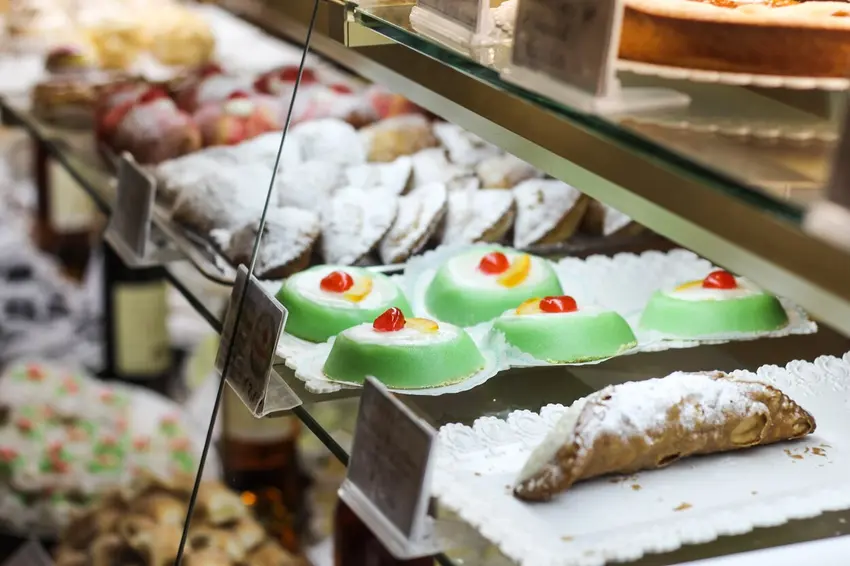
But the Sicilian cassata is an especially elaborate cake, even for those with a sweet tooth.
Soft sponge is layered with a sweetened ricotta filling before being covered with marzipan and icing. A rainbow of candied fruit on top provides a final excessive flourish to the cake, which was traditionally only served once a year due to its expensive ingredients and labour-intensive recipe.
'Mpanatigghi
View this post on Instagram
‘Mpanatigghi are half-moon shaped biscuits filled with a mixture of chocolate, nuts, cloves, cinnamon and... beef?
No, they weren’t inspired by Rachel from Friends’ infamous ‘meat trifle’ but were most likely introduced to Modica in Sicily by the Spanish in the 16th century.
The minced meat is almost undetectable in the finished product, and legend has it that nuns in the local monasteries would make the biscuits during Lent to secretly ensure church leaders had enough energy during fasting.
Ciaramicola
View this post on Instagram
Pink, doughnut-shaped and topped with white icing and multicoloured sprinkles, the ciaramicola looks more American than Italian at first glance. In fact, this cheerful cake comes from Perugia, where it was customary for brides-to-be to give one to their future husbands at Easter time.
The colours come from a splash of red Alchermes liqueur in the batter and a white meringue topping and are said to represent the Perugian coat of arms.
Pastiera Napoletana
View this post on Instagram
It’s thought to have links back to ancient times when it was eaten during Pagan celebrations of springtime, but the pastiera as we know it today was perfected by nuns from the Church of San Gregorio Armeno in Naples’ historic centre.
Their recipe of a shortcrust pie with a filling of ricotta, cooked wheat, candied fruit and orange flower water is now an essential for pastry shops throughout Italy at any time of year.
Gubana
View this post on Instagram
Originally served up only on Christmas and Easter, the gubana is now eaten at any special occasion in Friuli-Venezia Giulia. However, the northern region keeps the recipe to itself, as this sweet bread is rarely found further afield.
The characteristic spiral shape comes from rolling a brioche-like dough with a filling of walnuts, pine nuts, sugar and lemon zest. Sometimes grappa is also used to flavour this rich cake.
Comments