

Soon it will be that time of year again - Ferragosto, August 15th: one single holiday that justifies the shutting down of Italy for almost an entire month.
Most families will be going on holiday for one, two or three weeks, as businesses, public and private offices, and even clinics will be closed. The whole country takes a break all at once, leaving many foreigners baffled.
Italian holidays are untouchable, and the most sacrosanto ('sacrosanct') of all is Ferragosto, which in terms of vacation period is usually tied by Italians to the two weeks preceding or following August 15th.
Every year, thousands of Italians ask for bank loans just to be able to go on summer vacation.
But even if they’re unemployed or don’t get paid holidays, many Italians consider Ferragosto essential. It’s a deeply felt holiday, almost like Christmas, even if it has little to do with religion - at least apparently.
Ferragosto unites all social classes, professions and ages - cleaners, bankers and politicians - and coincides with the hottest month of the year, and peak tourism season. If I can choose, I tend to pick June or September for a break, when there are fewer crowds and cheaper prices.
But no matter how expensive renting an umbrella and a sun lounger is on August 15th, nobody gives up the idea. If Italians don’t somehow celebrate Ferragosto, they feel lost.
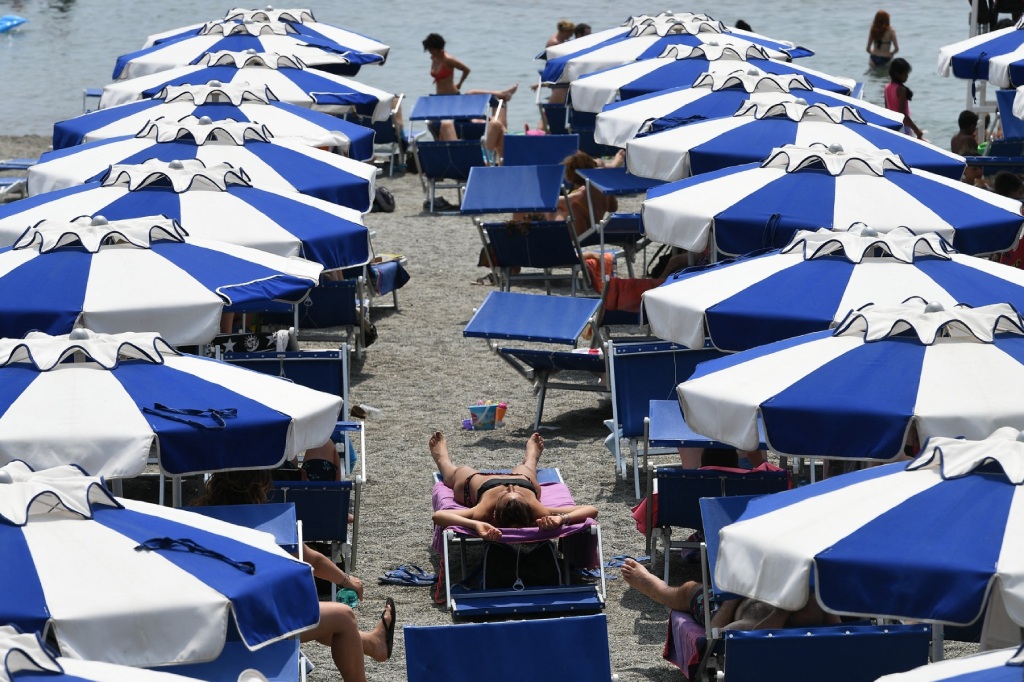
August 15th is usually a time for lunches on the beach under huge umbrellas and tents, or picnics in the countryside, hikes, and barbecues with friends and relatives.
The rest of the month is spent enjoying whatever holidays have been planned, wherever that may be, though Italian families tend to stay in Italy rather than travel abroad.
To understand why it’s so sacred, we need to look back centuries.
Ferragosto is among the oldest Italian holidays, as it hails back to Ancient Rome. Emperor Augustus first established it in the first century BC to celebrate harvests and honour the pagan deities of abundance and fertility.
The holiday was named Feriae Augusti (‘Augustus’ rest’), hence the modern-day Ferragosto.
Even though it involved just one day off work at first - August 13th, in honour of hunting goddess Diana - the Romans stretched the holiday to include all of August. This is believed to have been a very 'democratic' festivity, as peasants, slaves, aristocrats and senators would often mingle together during celebrations.
When Christianity came along, Ferragosto was made to coincide with the Assumption of Mary, celebrated on August 15th.
In an attempt to endorse and exploit the trademark of ancient Rome, the Fascist regime further legitimised the holiday in the 1920s, with dictator Benito Mussolini branding it as a much-deserved break from the hard work in the fields and factories.
There’s also an anthropological reason why the long August holidays are so hardwired into Italians' minds.
As August is the hottest month of the summer, promoting Ferragosto as the perfect time for ‘essential’ vacations ties in well with the scorching-hot conditions. After all, how could anyone keep working in unbearably high and humid temperatures that don’t even allow you to think straight?
French philosopher Montesquieu suggested in the 1770s that Italy was penalised by its warm climate, which made people more prone to lazing around and less willing to work.
You just need to compare Italy’s national holidays calendar with that of the UK and the US: we have more than a dozen, which are often tied to ponti, or ‘bridges’: a day (or days) between a holiday and a weekend which are usually taken off work.
At the moment, Rome is a nearly empty city.
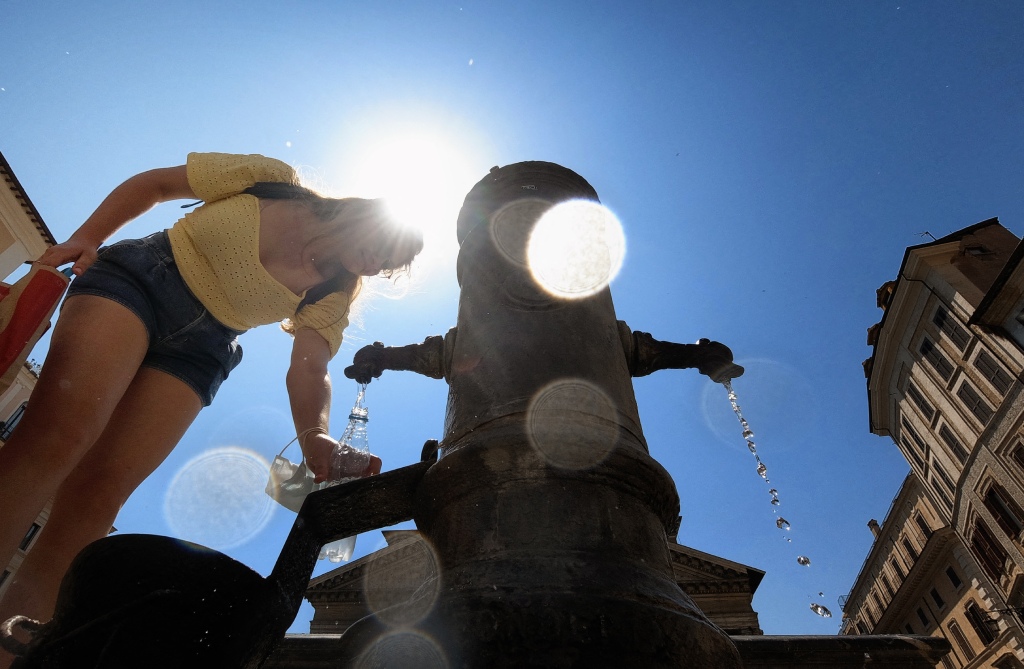
Many workers have either already left or are preparing for the month-long break. It’s mostly tourists roaming the streets under the sultry sun, amid a spate of chiuso per ferie ('closed for the holidays') signs on restaurants and shops.
August is the quietest month of the year in Italy, and cities would turn into 'ghost towns' if it weren’t for visitors.
But what may not make sense to non-Italians (businesses closing down and losing money, people getting into debt just to go to the beach) is actually very clear to locals.
Even when facing hard times, Italians often have large families that they can rely on financially to help them fund the all-important August holidays.
And it’s not unusual for people to have access to second homes at the beach, where they can stay for the entire month of August without spending any more than they would have if they’d stayed at home.
It's no surprise then that the August holidays are untouchable for so many Italians.
Comments (2)