
Inside Italy is our weekly look at some of the news, talking points and gossip from Italy that you might not have heard about. It’s published each Saturday and members can receive it directly to their inbox, by going to their newsletter preferences or adding their email to the sign-up box in this article.
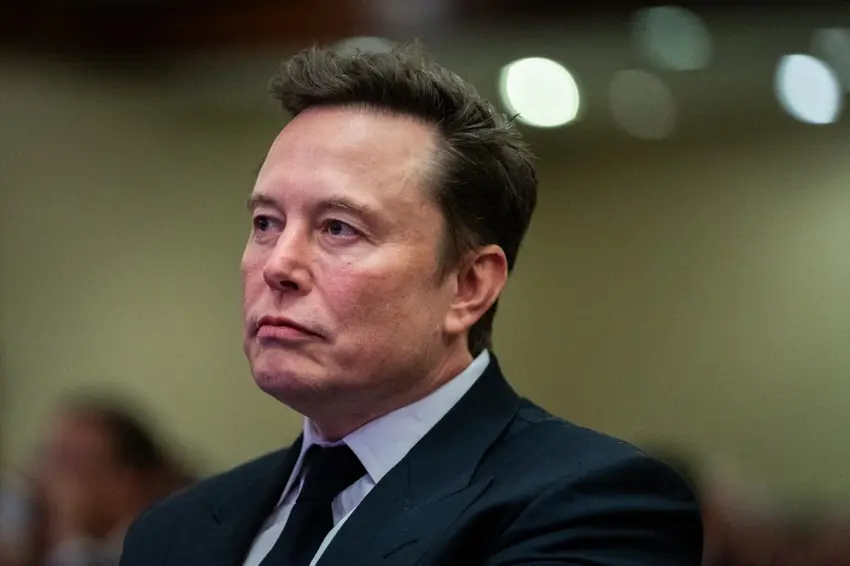
Tech tycoon Elon Musk was once again all over Italian news this week after he waded into an intense public debate over Rome's migrant deal with Albania, saying that the judges who ruled against the processing of a second group of migrants in the non-EU state "need to go".
Unsurprisingly, Musk’s comment sparked widespread outrage in Italy, and even drew a piqued response from head of state Sergio Mattarella, who urged the billionaire to “respect Italy’s sovereignty” and refrain from “giving lessons”.
But this wasn’t the first time the Tesla and Space X CEO took a jab at the Italian judiciary. In mid-September, he labelled the chief prosecutor in Deputy PM Matteo Salvini’s migration trial as “mad”, saying that he “should be the one who goes to prison for six years”.
In December 2023, he also took part in a political festival organised by Italian PM Giorgia Meloni's Brothers of Italy, warning of the risks of illegal immigration and urging Italians to “make more children”.
If, at this point, you’re starting to wonder why Musk seems to be so interested in Italian affairs, you’re not alone as multiple Italian news outlets toiled away at trying to answer exactly that question this week.
Granted, Musk has long been friends with both Meloni and Salvini, holds political views that are for the most part akin to those of the current administration, and seems to be genuinely keen on Italian art and culture – but is there more behind his interest in Italy? There may well be.
Discussions between Musk and Meloni over the deployment of the Starlink network in Italy for usage by military and diplomatic forces, as well as to provide internet service to poorly connected areas, are anything but new.
And a landmark bill passed by the Italian government in April regulating access to Italian air space for public agencies and private companies may indicate that the wheels are indeed already in motion on that front.
According to rumours reported by Italian media this week, Musk and Meloni may even have already shaken hands on a whopping €1.5-million supply contract.
And according to Ansa, talks between the two may have also extended to other business ventures, including potential production of Tesla trucks and vans in Italy, and AI services, with Meloni reportedly keen to open an “Italian route” into artificial intelligence.
Musk and Meloni may look like high-school pals whenever they’re seen together in public, but there’s far more to their relationship than simple friendship.
The ‘Jubilee effect’
One of the oddest stories of this week came from the capital, where an independent consumer group called on authorities to cap the price of carbonara dishes at €12 apiece amid concerns that restaurants will be looking to cash in on the surge in visitors during next year's Jubilee celebrations.
While the proposal may seem ridiculous (and I would say it is to a certain extent), it does however bring up a serious point of discussion: what will happen to prices in Rome as we head towards the Jubilee Year, when some 35 million people are expected to visit the city?
Rome residents have in recent months voiced concerns that the upcoming Jubilee – a special holy year for the Catholic Church – may lead many business owners, as well as local authorities, to inflate prices in order to capitalise on the tourist boom.
And there may already be early signs of an incoming stangata (price hike) for residents.
Public transport authorities are reportedly considering raising the price of a single ticket from €1.5 to €2 from January, while taxi fares increased earlier this year, with the minimum fare set at €9 for all rides and prices on some routes increasing by as much as €20.
Even more alarmingly, real estate experts have already forecast that the so-called effetto Giubileo (‘Jubilee effect’) will result in a major increase in rents across the capital, with medium- to long-term affitti expected to shoot up by 15 to 20 percent amid an already dire shortage of affordable housing.
In some of the capital’s more prestigious areas (Prati, Parioli, Flaminio, Trieste, etc.) the average asking price for a one-bedroom apartment is estimated to reach €1,410.
But even in areas such as Prenestino, Collatino, Torrino, Infernetto and Casalpalocco, renting a one-bedroom apartment may cost well over €800 next year.
The recent proposal to cap carbonara prices may seem preposterous, but its overarching backdrop is anything but.
Inside Italy is our weekly look at some of the news and talking points in Italy that you might not have heard about. It’s published each Saturday and members can receive it directly to their inbox by going to their newsletter preferences or adding their email to the sign-up box in this article.
Comments