
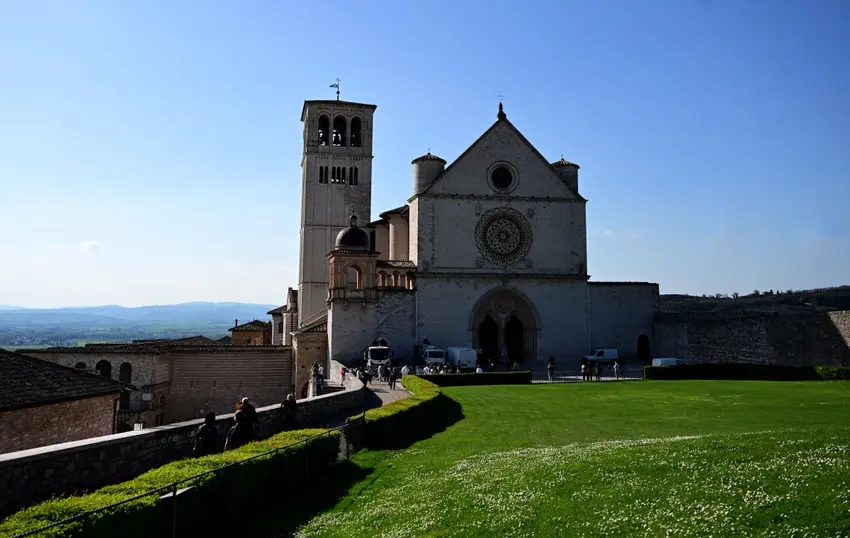
The proposal was backed by a large majority in both houses of parliament, with the Senate on Wednesday voting it through with 247 votes in favour and just two against, news agency Ansa reported.
The initiative, put forward by the small Noi Moderati (“We moderates”) party, was enthusiastically backed by Giorgia Meloni’s right-wing coalition who said St Francis was at the “core of our nation’s identity”.
Committee chairman Alberto Balboni, from Meloni’s Brothers of Italy party, said the holiday represented the recognition of “a need for peace”, adding: “On October 4th each year, Italy will remember that it is a land of traditions that honours its saints and its history."
Opposition MPs, while supporting the move, criticised its framing by ruling parties.
"The language and attitude of the Meloni government in no way reflect the spirit of Saint Francis, which calls for care for the poor, dialogue as a method of overcoming conflict, and respect for the environment,” the Democratic Party (PD) said in a statement.
The public holiday was first suggested by Davide Rondoni, a poet heading the committee organising events in 2026 to mark the 800th anniversary of St Francis’s death.
Well known for a love of animals and advocacy for peace and simplicity, Francis of Assisi is one of Italy's two primary patron saints along with Catherine of Siena.
A national holiday was previously observed in Italy for St Francis, but it was discontinued in 1977 amid austerity measures.
The date officially becomes a public holiday again from 2026, though as it falls on a Sunday next year there won’t actually be an extra day off work until 2027.
Its reinstatement is now written into Italian law, bringing the number of national public holidays in Italy to 13 - among Europe’s highest.
Comments