
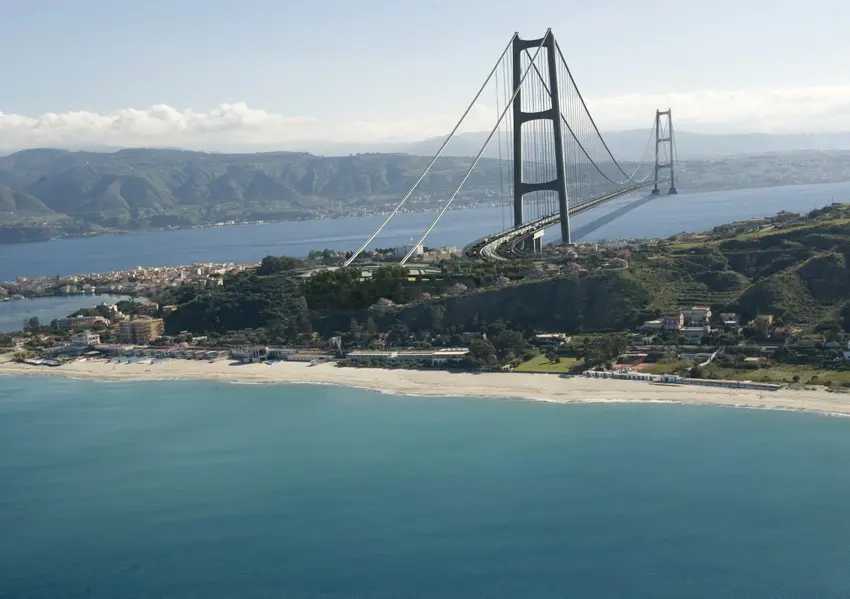
Meloni's government in August approved the 13.5-billion-euro project to build what would be the world's longest suspension bridge connecting the island of Sicily to the mainland.
But in a ruling late on Wednesday, the Court of Auditors, which oversees public spending, rejected the approval and registration of the government decision.
It said it would give its full reasons within 30 days.
The court last month requested clarification about the project, including on costs.
But Meloni's government on Thursday framed the ruling as politically motivated and insisted it would not halt construction plans.
In a statement, Meloni condemned the ruling as "yet another encroachment on the jurisdiction of the government and parliament".
READ ALSO : ‘Senseless project’: Italy forges ahead with contested Sicily bridge plans.
The move came as Italy debated key reforms to the justice system which critics say would hand the government more power.
"The constitutional reform of the justice system and the reform of the Court of Auditors, both under discussion in the Senate and close to approval, represent the most appropriate response to this intolerable intrusion, which will not stop the government's action," she said in a statement.
Matilde Siracusano, Undersecretary for Relations with Parliament and a Forza Italia MP, told reporters that "the government will move forward with the construction of the Strait of Messina bridge,
"It's not game over, as some opposition figures might hope."
Siracusano said the government was on Thursday assessing whether the bridge project was in the "overriding public interest and therefore must be executed in any case".
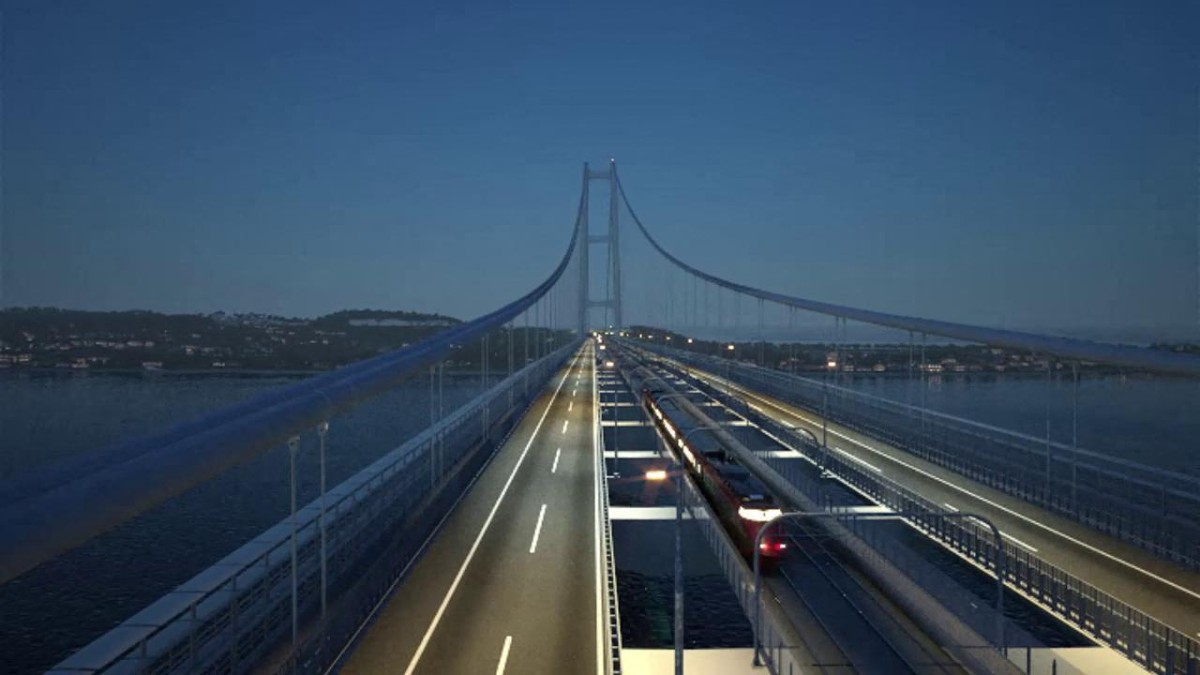
The government can now either accept the ruling and revise its proposal, or appeal and proceed at its own legal and financial risk.
Matteo Salvini, head of the far-right League party who as deputy prime minister and transport minister has championed the bridge, called the ruling a "political choice".
The company overseeing the project has already begun the process of hiring workers.
Italian politicians have for decades debated a bridge over the Strait of Messina, a narrow strip of water between the Sicily and the region of Calabria, at the toe of Italy's boot.
The approval in August by a government committee, CIPESS, is the furthest the project has ever got.
Advocates insist that the state-funded project will provide an economic boost for impoverished areas of the south of Italy.
However, critics warn that it risks turning into a financial black hole and is open to infiltration by organised crime groups.
The project has also sparked local protests over the environmental impact, and complaints the money could be better spent elsewhere.
Comments