
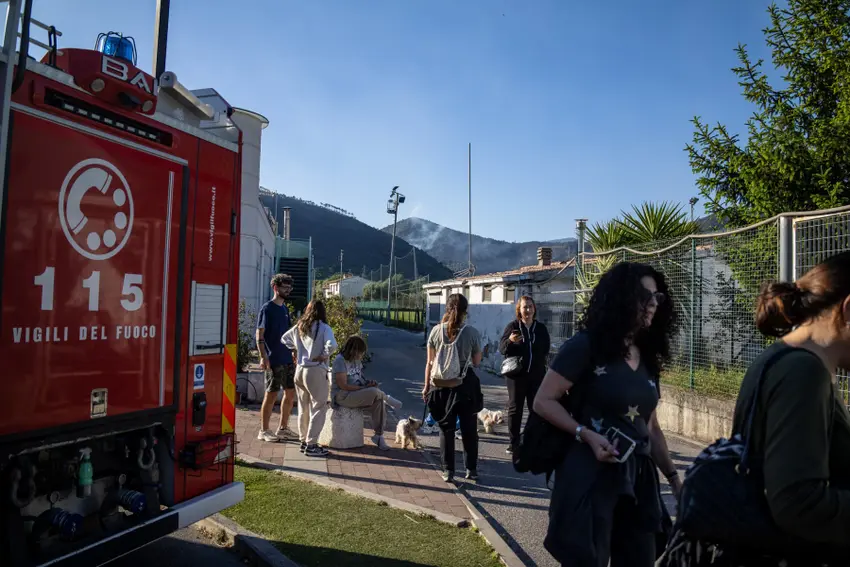
Wildfires (incendi) have always been common during the summer in Italy, particularly in the south and on the islands. But as temperatures rise, they are becoming more severe and happening more frequently even in the centre and the north of the country.
If you live in, or are visiting, an area affected by wildfires, understanding the Italian vocabulary used by authorities, emergency services and local media can make an already stressful situation a little easier to navigate.
Here's a guide to the key words and phrases you may hear and come across.
The basics
Incendio boschivo - Forest fire or wildfire.
Incendio - Fire. While this can refer to any fire, you'll often hear incendio in news reports about major wildfires.
Principio di incendio / focolaio - The start of a fire. Authorities may report that a focolaio has been spotted before it develops into a larger blaze.
Fumo - Smoke.
Fiamme - Flames.
Fuoco - Fire / Blaze.
Sterpaglie - Scrubland or brush vegetation, where many fires begin or spread rapidly.
Terreno difficilmente accessibile - This refers to areas that are difficult to access. You may see this term when a fire has erupted in the mountains, and firefighters are struggling to get it under control.
READ ALSO: Should you cancel your Italian holiday due to wildfires?
Fire risk levels
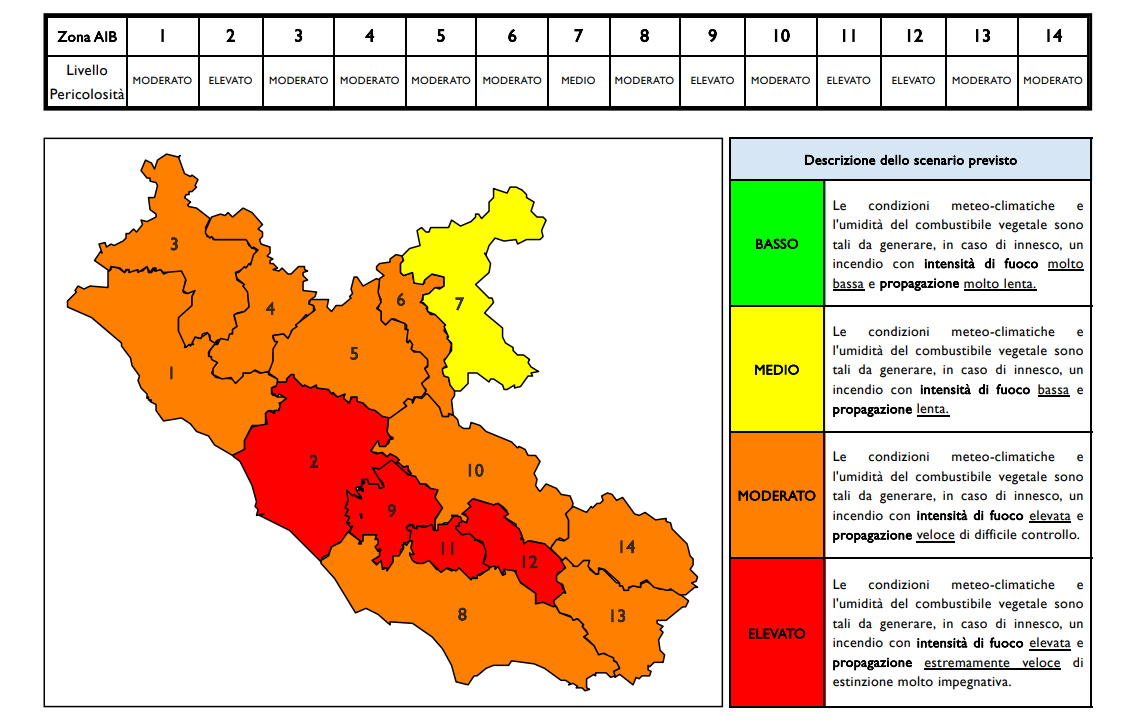
Italian weather forecasters often issue warnings about wildfire conditions.
Rischio di incendio - Fire risk.
Rischio alto / elevato - High risk.
Rischio medio / moderato - Medium risk.
Rischio basso - Low risk.
Allerta - Alert or warning level. Local authorities may issue an allerta when conditions become particularly dangerous.
Incendioggi provides a live map to keep track of fires in Italy. The Civil Protection Department also produces a daily bulletin that it shares with regional authorities, but these aren’t made available to the public. However, some regions still release bulletins or updates, so it’s worth checking online for each region.
READ ALSO: How badly is your Italian region affected by wildfires?
Restrictions you may encounter
When wildfire danger is high, regions might impose different restrictions.
Accesso interdetto - Access prohibited.
Divieto di uso del fuoco / divieto di abbruciamento - Ban on lighting fires / ban on lighting fires to burn scrubland or brush vegetation.
Divieto di accendere barbecue - Ban on lighting barbecues.
Divieto di fumo - No smoking. During periods of high risk, smoking in forests or natural areas may be prohibited.
Divieto di sosta su vegetazione secca - Ban on stopping or parking vehicles on dry grass or brush.
Divieto di accendere fuochi d’artificio - Ban on lighting fireworks.
Divieto di attività pericolose - Ban on actions that could cause a fire in fields, forests or wastelands.
If an evacuation is ordered
Emergency authorities may ask residents or holidaymakers to leave an area or, in some cases, remain where they are.
Evacuazione - Evacuation.
Ordine di evacuazione - Evacuation order.
Evacuare immediatamente - Evacuate immediately.
Lasciare / abbandonare l’area - Leave the area.
Uscire di casa - Leave your home.
Rimanere al chiuso / cercare riparo - Shelter in place. Sometimes it is safer to remain indoors than attempt to leave through smoke or approaching flames.
Following official updates
You may hear these phrases on local radio, television or emergency announcements.
L’incendio è sotto controllo - The fire is under control.
L’incendio si è esteso - The fire has spread.
L’incendio è ancora attivo - the fire is still burning.
L’incendio si è fermato -The fire's spread has been halted, although it may not yet be extinguished.
L’incendio è spento / estinto - The fire has been extinguished.
Rimanere allerta - Stay alert.
Seguire le istruzioni delle autorità - Follow the instructions of the authorities.
Useful words for travellers
If you're on holiday, these terms may also prove useful.
Campeggio evacuato - Campsite evacuated.
Strada chiusa - Road closed.
Deviazione - Detour.
Circolazione interrotta - Traffic has been stopped.
Cancellazione - Cancellation.
Ritardo - Delay.
Emergency services
Several different emergency services are involved in tackling wildfires.
I pompieri - Firefighters.
I vigili del fuoco - The official term for Italy's firefighters.
La protezione civile - Civil protection, which coordinates emergency response.
La prefettura - The state's representative in each province, responsible for issuing emergency orders and coordinating interventions in case of emergency.
READ ALSO: MAP: How to find out where Italy's wildfires are
Ways to tackle a fire
These terms are used in the news to let people know how the wildfire is being dealt with.
Camion dei pompieri: Fire truck.
Aereo antincendio / aereo cisterna - Water bomber.
Canadair - Water-bombing aircraft.
Elicottero - Helicopter.
Idrante - Fire hose.
Estintore - Fire extinguisher.
Weather conditions that increase fire danger
Wildfires spread rapidly under certain weather conditions.
Ondata di calore - Heatwave.
Siccità - Drought.
Vento forte - Strong wind.
Raffiche di vento - Wind gusts.
These terms often appear together in weather forecasts warning of heightened wildfire danger.
What to do in case a fire starts
Protezione Civile has a few words of advice in case of a fire.
Allertare - If you spot a fire, call 112, the European emergency number, or 115, the Italian fire fighters.
Mettersi al sicuro - Get to safety and make sure to follow the orders from local authorities.
Rimanere informati - Stay informed of the situation.
Comments