
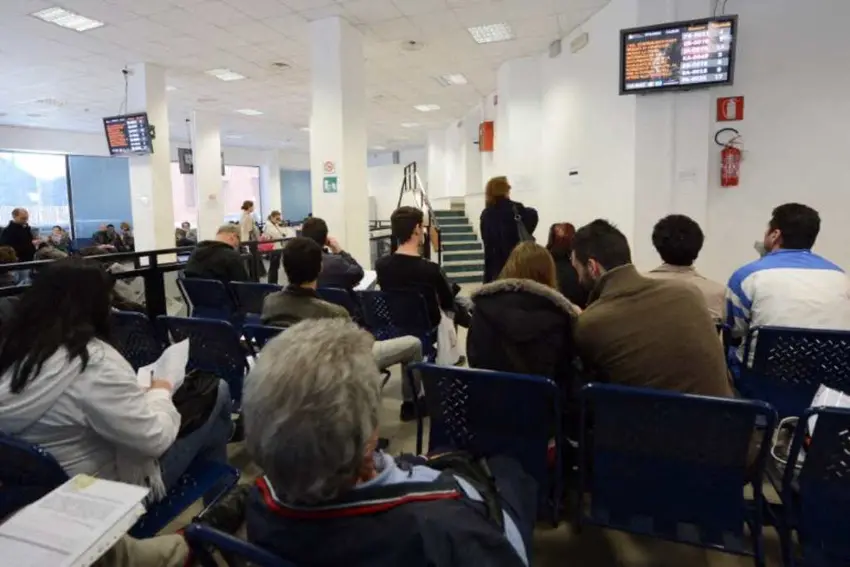
Italy is often rated as one of the hardest places for foreign nationals to settle in, with bureaucracy frequently singled out as the most difficult aspect of life in the country.
We recently asked readers of The Local to share with us what they thought was the most troublesome part of Italian burocrazia.
We received answers from all corners of the country, with dozens of international residents offering their perspectives and personal experiences on the hardest aspects of Italian paperwork and red tape – from applying for or renewing a residency permit to figuring out Italy’s tax rules.
Many respondents also offered up their best tips on how to best handle Italian bureaucracy. Here’s what they told us.
Seek out the best people
Several readers pointed out that staff at public administration and government offices often offer little in the way of help to struggling residents.
Joe Wheeler, in Padua, Veneto, said: “Officials often don't know what they're doing. They are not aware of the law, due process or procedure.”
“If one person doesn't cooperate or give helpful information [...] leave and come back another day and speak to someone else,” he added.
“Although it often doesn’t seem like it, there are some highly competent, professional and helpful people in the system. You just need to find them.”
‘Relationships are king’
Hiring lawyers for immigration procedures was another oft-repeated tip from readers.
Though hiring someone can be expensive, it can “help you avoid very costly mistakes,” said Jim in Milan.
“Go by recommendations from people in your community rather than shopping around – relationships are king in Italy,” he added.
Overall, several readers suggested “having an Italian attorney help with processes” and “getting a lawyer for most immigration issues”.
‘Patience, patience, patience’
According to many respondents, one of the keys to dealing with bureaucracy in Italy – and the waiting and queuing that comes with it – is a great deal of patience.
READ ALSO: 5 key digital resources to help you take on Italian bureaucracy
Richard Penhaligon in Reggio Emilia underlined how important it is to understand that waiting is simply part of the process: “Patience, patience, patience. The systems do work, but not to your speed.”
“Just be patient. No shortcuts,” said Michael, in Umbria.
Jacky in Piedmont added that you should “start any process with lots of time on hand,” also emphasising the importance of being patient and “stay[ing] relaxed!”
Following up
Having patience doesn’t mean you should sit back and wait for things to work out on their own.
Martin Maier in Roccamorice, Abruzzo advised to “never wait for [people] to contact you”.
“Put a reminder on your calendar and go back and ask,” he added.
Adrian in Milan had another piece of advice for staying on top of things.
“Calling in advance for validating the information and documents required” is crucial to avoid being “rejected at the till,” he said.
In addition to ensuring you have the right information before showing up to an appointment, a helpful tip is to bring more than you think you need.
A reader in Parma suggested: “Have everything in triplicate.”
In other words, it’s always better to have a few extra copies than not have enough.
Speaking Italian
Tim in Monza stressed the importance of being able to speak Italian when dealing with bureaucracy.
He said: “If you don't speak Italian, you have no chance. Even if you are fluent in Italian, it's still hard if you don't have experience with a particular process.”
Michele in Abruzzo said that “everything will be double the stress” if you don’t speak Italian, but one solution could be to have “a bilingual person” tag along when going to government or public admin offices.
READ ALSO: 'Try in Italian first': Essential advice for dealing with bureaucracy in Italy
Finally, one reader said that speaking Italian – or at least trying to – could help you get in admin staff’s good graces.
“Try your best in Italian first,” he advised.
“Often we have found that some people are embarrassed that they can’t speak English and put up a barrier. However, some tell us that their English is better than our rubbish Italian, so after a good laugh, the ice is broken, and they are more than willing to help.”
Comments (1)