
Italy celebrates Liberation Day, known in Italian as Il Giorno della Liberazione or La Festa della Resistenza (Celebration of the Resistance), every year on April 25th.
The date has been a public holiday in Italy since 1946, marking the end of the Italian Civil War and the end of the Nazi occupation.
So how exactly is the holiday celebrated in Italy today?
Day off work, limited public services
April 25th is officially a public holiday, so schools are closed and most employees have the day off work when it falls on a weekday.
Many shops and services, including restaurants, post offices and banks, usually close for Liberation Day as well.
Supermarkets may be open in the mornings only, or not at all, and public transport is likely to be running on a reduced schedule.
Museum visits
It's a good day to visit a museum, and not just because pretty much everything else is closed.
In 2023, April 25th was added to the list of dates on which entry is free to all of Italy's state-run museums, archaeological parks and other cultural sites.
READ ALSO: How you can visit Italian museums for free on Liberation Day
This means you could spend the holiday visiting the Colosseum, the Uffizi art gallery, Pompeii, or another of the country's world-famous sights completely free of charge.
Political rallies
As well as being a day off work, the date is seen as an important one by many Italians, and the meaning is not forgotten.
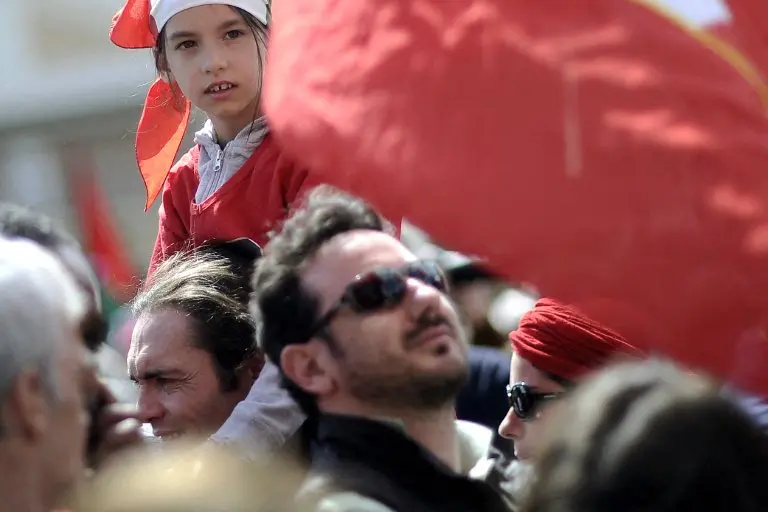
Italians tend to spend the day making their political views clear. There are speeches, marches and protests around the country. At many of these, you’ll hear the song ‘Bella Ciao’, the anthem of the Italian resistance movement.
There are usually numerous official ceremonies across the country, including visits to the tombs of partisan soldiers. The biggest event is a political tribute at Rome's Altare della Patria, the national monument to Victor Emmanuel II, the first king of a unified Italy.
President Sergio Mattarella usually makes an annual visit to the Ardeatine Caves mausoleum, where 335 Romans were killed by Nazis in 1944.
Foreigners learning about Italian politics are often surprised by the relatively large number of people, including young people, who strongly identify with either communist or fascist politics in Italy.
So if you're not doing anything more than spending the afternoon eating lunch with your Italian family (the most popular way to mark any public holiday), there's a good chance you'll have to listen to political discourse at the table – and you may want to brush up on your Italian historical knowledge if you'd like to join in.
Comments