
The EU's long-delayed Entry and Exit System (EES) will start operating at Rome Fiumicino Airport and Milan Malpensa Airport on October 12th, according to Italian media.
The new electronic border control scheme, which involves taking fingerprints and facial scans from non-EU travellers, is designed to gradually replace the current system of manual passport stamps.
READ ALSO: Travel to Italy: Your questions answered about EES and ETIAS
Each EU member state is required to have at least one point of entry operating EES checks from October 12th, with the system due to be phased in over the course of six months.
In Italy, Fiumicino and Malpensa – the country's two largest airports in terms of passenger traffic – are set to be the first to roll it out.
Non-EU travellers have been warned to expect some delays as the new system is introduced over the coming months.
How will the system work in Italy?
Under the new system, travellers from outside the EU/Schengen Area – including the UK, US and Canada – will need to register additional data, including their fingerprints and facial scans.
There are a number of exemptions, including for foreign nationals living in Italy. You can find a full list here.
READ ALSO: What should residents in Italy do once EES passport checks start?
Passenger data will be stored for three years, during which time travellers will be exempt from registering again.
EES will only be used at the Schengen Area's external borders – so you won’t encounter it for travel between Italy and France, for example, but you will if you fly into Italy from the US.
As of late September, neither Rome Fiumicino nor Milan Malpensa had released official information about how the checks will work in practice.
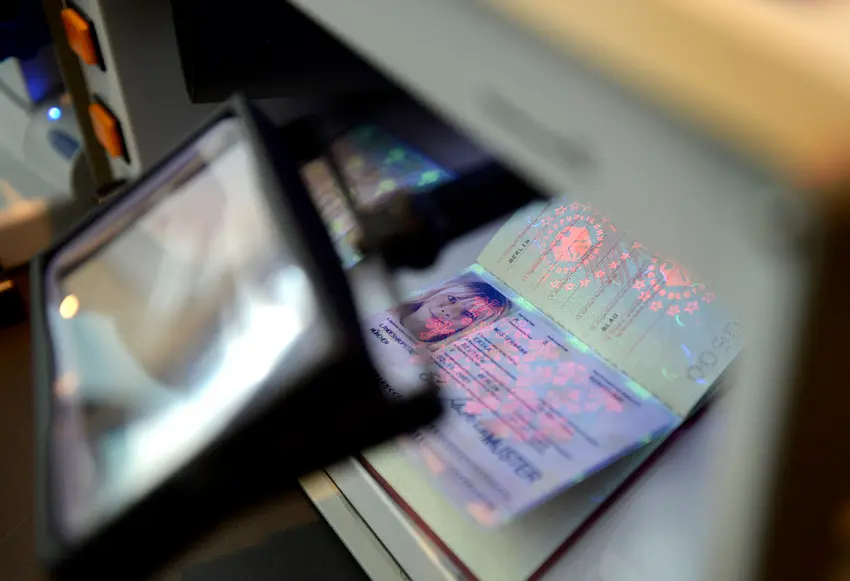
According to Italian news reports, passengers arriving at the airport will place their passports on an electronic reader that will capture their data, including their fingerprints and facial scan.
Those with older passports not containing a biometric chip will continue to use the existing manual system for now, reports said.
The EU has developed an app, Travel to Europe, to allow passengers to pre-register their data and avoid delays at checkpoints when the EES system is first launched.
As of late September, however, the app hadn't been made available for download.
What is EES?
The Entry and Exit System is an EU-wide database designed to register the entry and exit of non-EU nationals visiting the Schengen Area for short stays.
It will automatically record each entry and exit, tracking how long travellers spend in the Schengen Area to ensure they do not exceed the 90-day rule.
READ ALSO: EXPLAINED: What happens if you overstay your 90-day limit in Italy?
The stated aims of the scheme are twofold: to increase border security and clamp down on visa overstayers via stricter controls, and to make passport checks quicker and more efficient.
The EES was initially supposed to launch last November, but was postponed at the last minute due to border infrastructure delays in multiple member states.
With the start date now confirmed for October 12th, EU countries will be required to enforce the system at all border checkpoints by April 10th, 2026.
Comments (6)